

EJEAN’s Balancing Act
Ahead of a headlining tour, the musician reflects on how letting go of shame and charting their own path led to their debut EP, Meant Love.
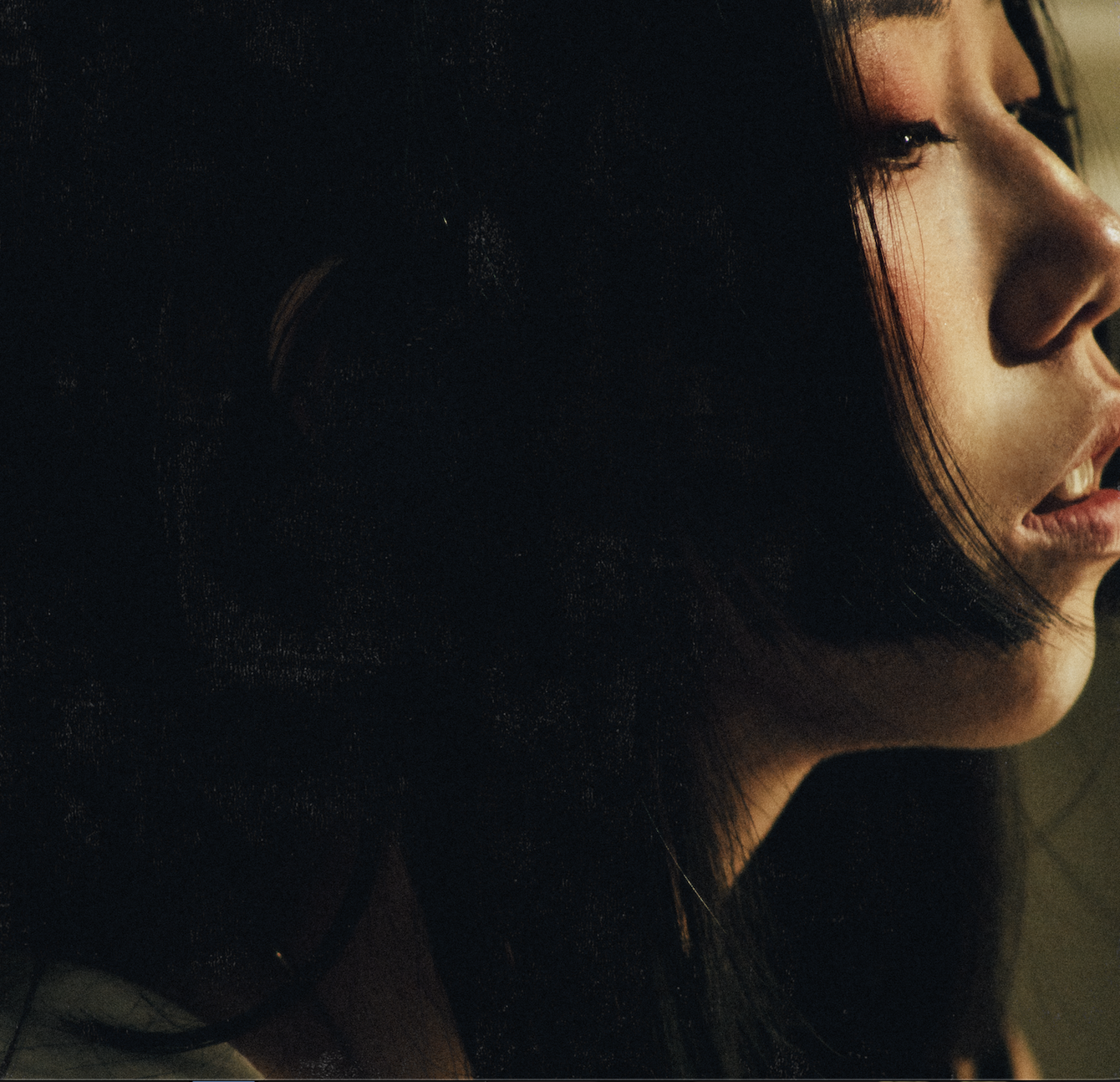
“People have told me before that my music sounds ungendered,” EJEAN, who identifies as genderqueer, told me recently. “I try to write music that feels applicable to anyone, because I’ve always hated being boxed in by anything. I’ve always been a pretty feisty person. I hate being constrained by gender roles.”
This observation, that their music sounds “ungendered,” stuck with EJEAN as they wrote and recorded their debut EP, Meant Love (a tour for the EP begins this August with several friends serving as openers: hongjoin, acloudskye, Emi Choi, Bianca Espino, Patrick Hizon, keanu., and raph).
Sometimes they thought about their childhood, growing up with brothers and guy friends, and how frustrating it would be to be told they couldn’t do things that men could do. When recording the music for “Meant Love”, EJEAN explained, “It wasn’t like I set out to be as masculine as possible and then also embrace my feminine side, or even androgynous. It was more that I just didn’t want to care about those limitations.”
Even visually, EJEAN was conscious to choose a direction that wasn’t stereotypically gendered. Whether in the styling, composition, or coloring, all that mattered was that it conveyed how they saw the project.
Polarity is a theme in EJEAN’s work: intense emotions abound, contradictions break apart. EJEAN isn’t always interested in answering the questions that arise. Instead, they like to languish in the uncertainties, letting them soak in like the exhaustion after a hot summer day. Meant Love covers the time span from youth into adulthood, when one takes inventory of their life and choices to ask whether what they’re doing is satisfying. Sometimes, as on tracks like “Masochist”, they realize that the problem is themself.
“So much of this EP is about balance,” EJEAN explained, “between accountability and shame, between guilt and blame, between impulsivity and the part of me trying to be wiser.”
For an artist who has become so prolific in the independent music scene, it is surprising that this is their first record. EJEAN has always sounded so self-assured, so smart in their music choices, that it never made sense that a full body of work wasn’t available.
The EP was born from the positive reception EJEAN received after the release of “Head Home”. That song, released in late 2024, took time to find its audience on streaming (it currently sits at 3 million streams), but early on, friends commented on how much they loved it. The track was almost instantly a song that your favorite artist probably loved.
The validation EJEAN felt from their friends and peers was heartening, but more than anything, they were proud that the song felt true to them. “It was the first song that really felt like me,” they realized. Listening back to it now, EJEAN can hear how they poured their heart out and put everything on the line in the music. The pain in the vocals is still so raw that it almost feels like they’re crying in the song.
“Once people responded to that,” EJEAN said, “I felt like, ‘Okay, I have more songs about this, and sonically this is where I want to go. It’s time to make this into a cohesive project.”
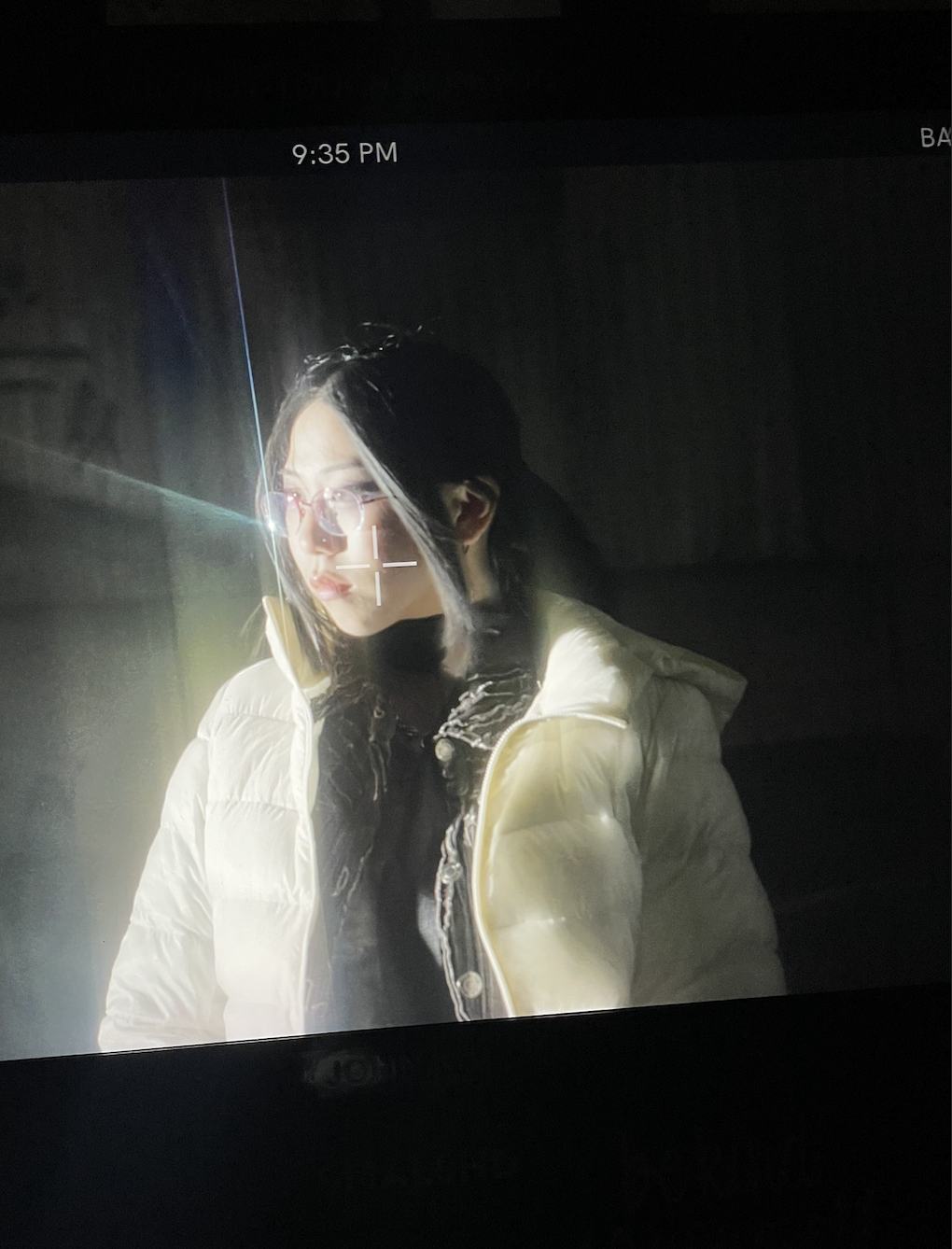
EJEAN is the child of two Taiwanese immigrants and the youngest of two brothers. Their mother is “a profoundly devout Christian.” Their father is a lifelong atheist – “or at least definitely not Christian.” Church was routine for the three children. In childhood, EJEAN heard their mother sing and play piano. Their brothers played drums in church. All three played guitar in services.
“Music was a really big part of our life, but no one ever expected it to become a career,” they recalled. “It was more like something you did because it brought joy, or because it was good for you, or because it was part of your life.” Like many kids they knew growing up, EJEAN was placed in music lessons early. Once when they complained about practicing music, their mother responded sharply, “If you don’t practice, then you can stop taking lessons.”
The tactic worked.
“And that was the moment it hit me that even though I hated practicing, I loved playing,” EJEAN told me. “A lot of kids who feel forced to play an instrument would be thrilled if their parents said they could stop. I wasn’t. I realized I really didn’t want to give it up.
EJEAN’s family wasn’t the kind to pray before every meal, but attending services every Friday and Sunday was expected. Like in most religious households, playing music was a form of expressing love for God. The environment EJEAN grew up was one that could be sheltered and less free-thinking than the world they’d one day wind up in. Notably, EJEAN didn’t know many people who wanted to pursue art as a career path.
Yet the ideas that were implemented in EJEAN weren’t challenged much until college. That is when the old ideas started to get scrambled.
“It felt really scary, because it felt like I had to start from scratch,” they said. “I know that sounds dramatic, but for a while it really felt like my whole life was a lie—like everything I had believed might be wrong or maybe not true.”
In college, surrounded by eclectic musicians who loved being themselves, EJEAN thought that, perhaps, they could too. “That gave me the confidence to really lean into understanding myself,” they observed.
The people EJEAN befriended in college were completely different from those they had grown up with in the Bay Area. “I didn’t know people who were thinking about going to music school. I wasn’t in a band. I was in an a cappella group, which was cool, but there wasn’t much conversation around queer issues either,” they said. “That just wasn’t something I was exposed to much in high school.”
EJEAN had begun experimenting with music in high school after a classmate said he’d handle everything if they let him upload the covers they were uploading to YouTube to Spotify. He’d even pay for it.
In college, though, EJEAN began to take music more seriously. They began collaborating with friends and releasing original music. “Before that,” they admitted, “I didn’t really think it was possible for me, or even something I could do.”
Eventually, it would be the collaborations that gave EJEAN the attention they have now. Their first single – “Find You” – was released in 2022 with niko rain, a friend and frequent collaborator, who EJEAN would eventually headline a sold-out show with at the Moroccan Lounge in LA. But their biggest success, by far, was “Sweatshirt”, a dreamy, quiet song produced by Patrick Hizon that notched over 41 million streams.
For a while, simply collaborating with other artists was fulfilling for EJEAN. They were content with the music and the chance to just learn from others. “I didn’t yet have a clear picture of what I wanted to do or what kind of artist I wanted to be,” they said. “I genuinely wanted to do everything, and I was happy to get those reps in and put my full effort into those songs.”
At times, EJEAN feels like the attention they received from those collaborations was both a blessing and a curse. “By the time I was ready, there was this feeling that some people were waiting to see what I would do and what I was really about. That created pressure, even if a lot of that pressure came from me,” they said.
This EP, EJEAN expressed, isn’t meant to counter the collaborative work. They didn’t know the kind of musician they wanted to be or the stories they wanted to tell. They were still discovering their identity. But EJEAN points to “Head Home”, released two years after their first single, as the turning point. “That was the point where I thought, ‘This is exactly what I want to sound like. This is where I want to go.’”
Over the past few years, as EJEAN has gone through breakups or taken inventory of their life, they've turned to songwriting. “First and foremost, I’m a songwriter for myself. Songwriting is how I practice creativity and how I figure things out,” they said. They journal often, whether by hand or in the Notes app. “When I’m going through something, and it feels vague and nebulous in my head, I put it into words, and then I put it to music.”
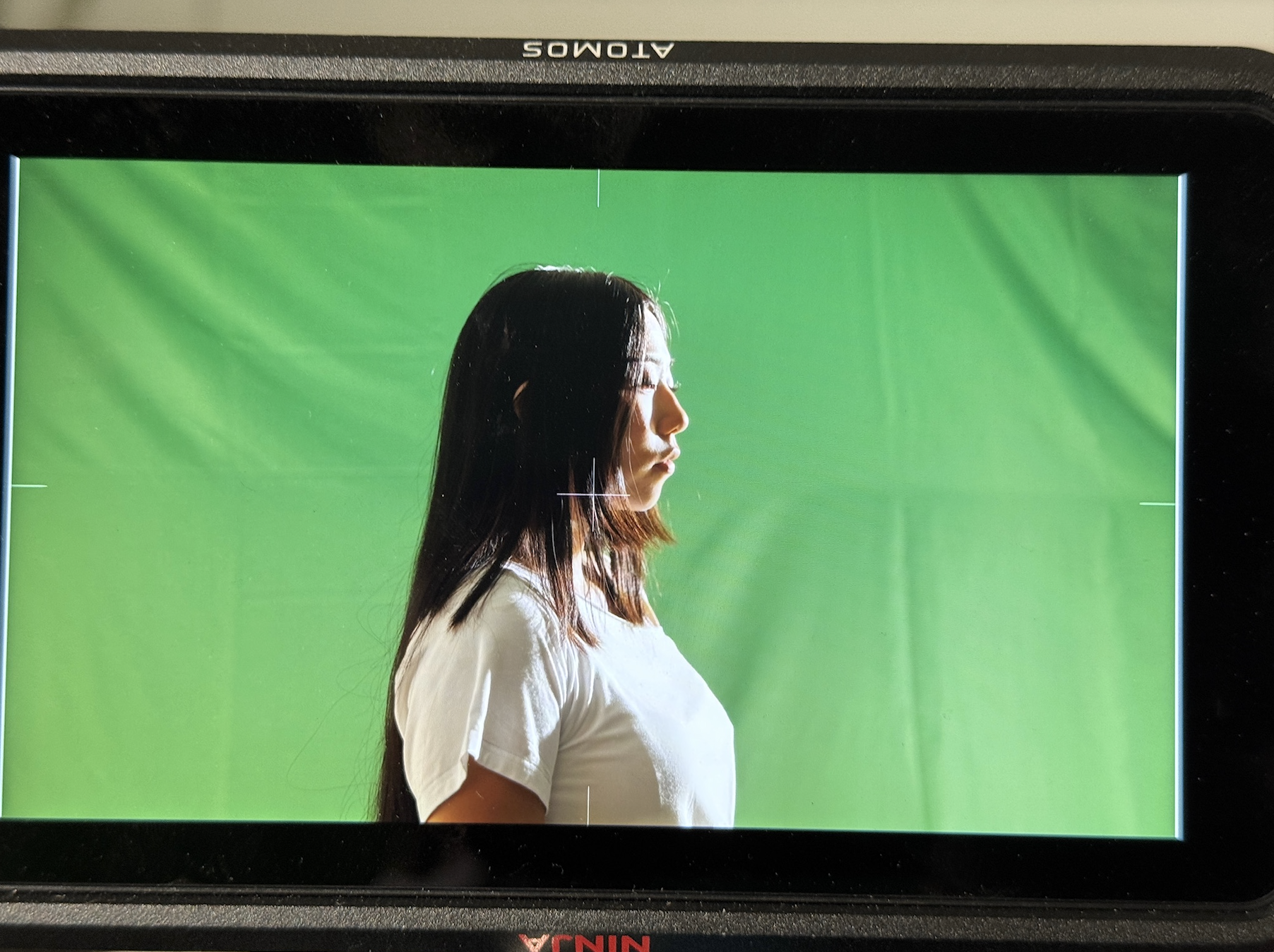
The recording for Meant Love came at a time, EJEAN said, “when I was finally ready to work on something bigger than I’d done before, and also a time when I really needed to figure some things out.”
“The EP talks a lot about shame, sacrifice, and what I thought it meant to love someone in a given moment. Shame and guilt are very prevalent in religion, or at least in how religion is often taught,” they said. “There’s this idea that when you do something wrong, you should feel shame.” Often, EJEAN felt, internalizing shame was the easy thing to do.
They also thought about what their parents taught them, and how that filtered into how they saw their career. EJEAN is probing about “the Asian parent side of it where disappointing your parents can feel devastating. A lot of my friends with similar backgrounds grew up with that same feeling,” they continued. “You feel like you owe your parents something because they moved across the globe to give you a better life, and somWe of them went through hell to do it. So if you let them down, it feels enormous.”
A lot of Meant Love came not just from trying to understand their upbringing, but also why they were so inclined to be in relationships that were bad for them. “It was in the middle of all of that,” EJEAN added, emphasizing the next words, “In the damn middle of it.”
The songs that came after “Head Home” revolved around the same relationship, which adds to the EP’s cohesion. “My music is very much a diary, so it’s rare for me to make one song and then call it a day,” they said. “There’s usually more to figure out than I can get through in one song.”
EJEAN’s manager, Josh Gong, remembered “Head Home” as a pivotal time for their artistry. “Even when I first heard the demo, EJEAN was very headstrong about it. They really cared about the sound, the lyrics, and what it was trying to do,” he said.
EJEAN was invested in proving that they could handle all aspects of music production. “I’ve always been deeply invested in musicality, in creative production choices, and in being meticulous about how a song is executed,” they explained. “I got to do that to my heart’s content on this EP, and that made me really happy.”
The pair got “scrappy” about marketing as they put the record together. People are often surprised when they learn EJEAN isn’t signed to a label or that the core team is just them and Josh. Of course, a large group of collaborators helped this EP come together, EJEAN emphasized, but there were only two primary decision-makers.
Josh is proud of this fact. “The foundation has to be quality music that resonates with people. You can put a huge marketing budget behind something, you can throw all kinds of resources at visuals and campaigns, but if the song doesn’t connect, it’s not going to matter,” he said. “In our dynamic, the great thing is that EJEAN makes really good music.”
EJEAN feels that the collaborations that fused so much life into the early half of their career were necessary. “I think for a long time it was a confidence issue. I didn’t believe in myself enough to take a song all the way from conception to the final product,” they said. “I didn’t think I could do it.”
But through working with Josh and seeing the response from their solo music, EJEAN has started to feel more assured. It took some time to find their voice and understand what kind of artist they wanted to be, but they are now firmly standing in who they want to be.
Circling back to why they chose to finally release their own music, EJEAN was circumspect.”Yes, part of it was about proving something to other people, but a lot of it was about proving it to myself. I was scared to do this. I didn’t believe I could do it.” They paused and considered what this all meant. “The EP became a way of telling myself that I can—and I’m really proud of what I made.”
