

RE:WIND Debuted as an Independent K-pop Group. Then Things Got Complicated.
Can an independent K-pop group succeed in North America? RE:WIND tested the theory when they debuted in summer 2025. Now, a year later, they’re ready to talk about it.
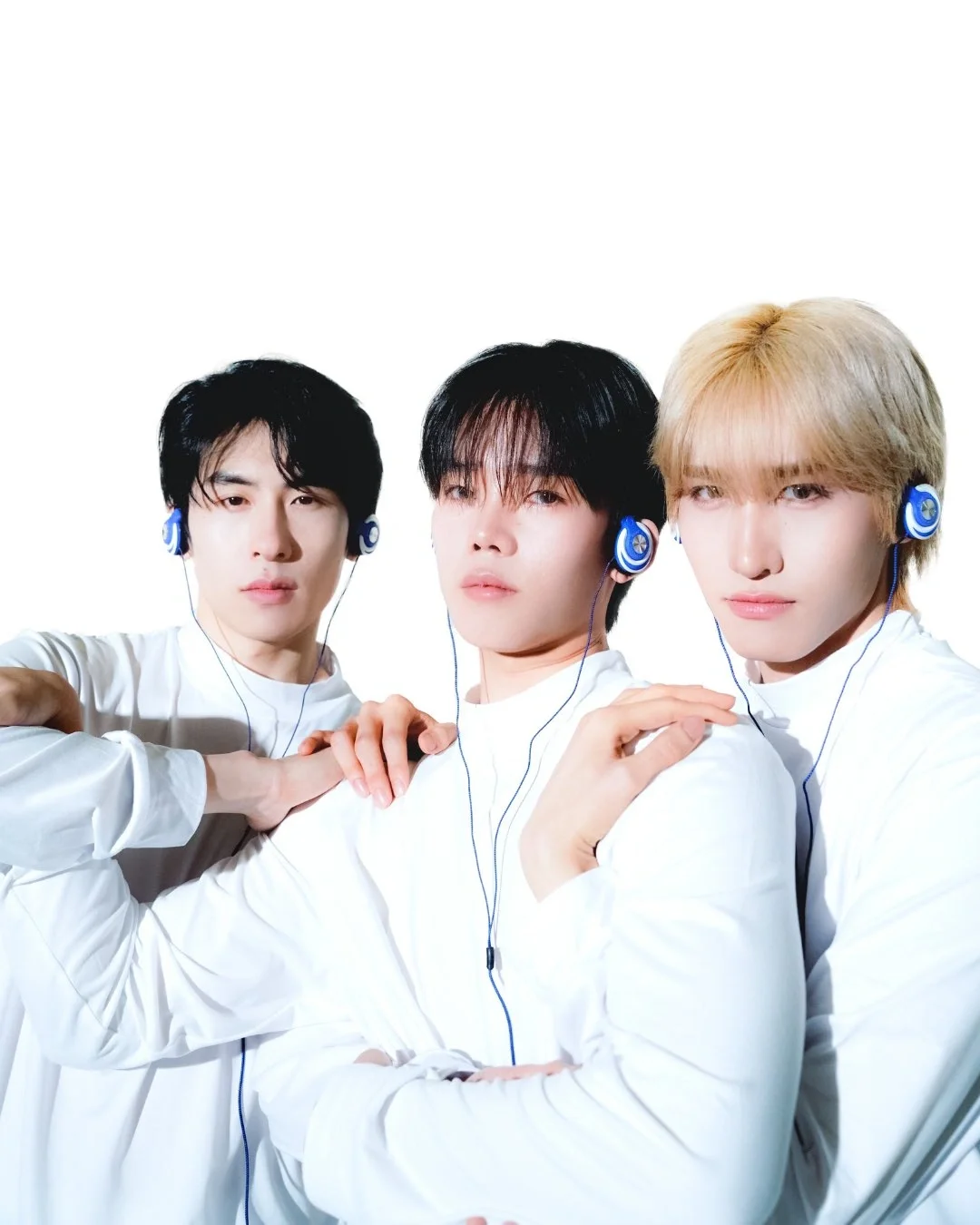
From left: Lei, Eddie, and Elaya
At one point or another, the members of RE:WIND all trained and then chose to walk away from a debut in the traditional K-pop system. Elaya, Lei, and Eddie, the group’s three members, are all Americans who, at separate times, lived in Korea, trained at K-pop companies and eventually chose to return home before forming RE:WIND.
For each member, their time in Korea was marked by uncertainty and led them to reconsider pursuing a career in pop music. “We had this full-circle moment where all three of us were united by one shared story,” Eddie told me in a recent group interview. The fact that the members managed to find one another and create a new group together is still surreal. “For RE:WIND, that story is something we always refer back to,” he continued. “Whenever we feel lost, we go back to how we all started.”
RE:WIND officially debuted in August 2025 with the EP RE:MINISCE. The concept was originally for the members to appropriate the music of the early 2000s boy band movement. Their first single, “FOREVER”, comes with the bombast of an *NSYNC song with big melodies and heavy harmonies.
“I emphasized to my co-creator that I wanted other boys who had similar experiences to me, so we could have that shared bond and experience, not only through friendship but through music as well,” said Elaya, who formed the group. “That was important to me.”
The group filmed music videos and behind-the-scenes vlogs, and participated in a series of interviews in which they tried, somewhat unconvincingly, to play the role of K-pop idols. In the first few months of promoting, Eddie recalled, they would often play into K-pop stereotypes, such as aegyo or not showing much of their real personalities. “But as time went on,” he said, “we just realized we are not that.”
Ironically, as RE:WIND debuted, KATSEYE was beginning to break through in the West with “GNARLY” after having a similar sanitized start. The boys realized that the more real they were – dropping an f-bomb on a live or sharing more about their past – the more their fanbase, DAY 1’s, connected with them.
“One of the biggest strengths we uniquely have is that we all came from different sides of the music industry and have our own creative skills,” Lei, who has a background in songwriting and production, explained. Why not lean into that? “From the beginning, it was powered by the three of us pouring our skills and time into this project.”
RE:WIND’s members are entirely independent. They are not signed to a label, and everything they shoot – from social media content to music videos – is self-funded. For a long time, the members told me, they thought that to succeed, they needed to project strength as a group that could be at a major label. But now, they’re beginning to reconsider if that was the right approach. “Something we really want to show more of is how organic, homegrown, and grassroots this project is,” Lei said.
Preparing for their debut, Eddie explained, was humbling. “We were sleeping on air mattresses in our co-creator's apartments. We had 7 days to complete our entire debut package, including dance practice, a music video shoot, and a photo shoot. It was crazy.” He paused. “My biggest regret is that we did not show that process enough.”
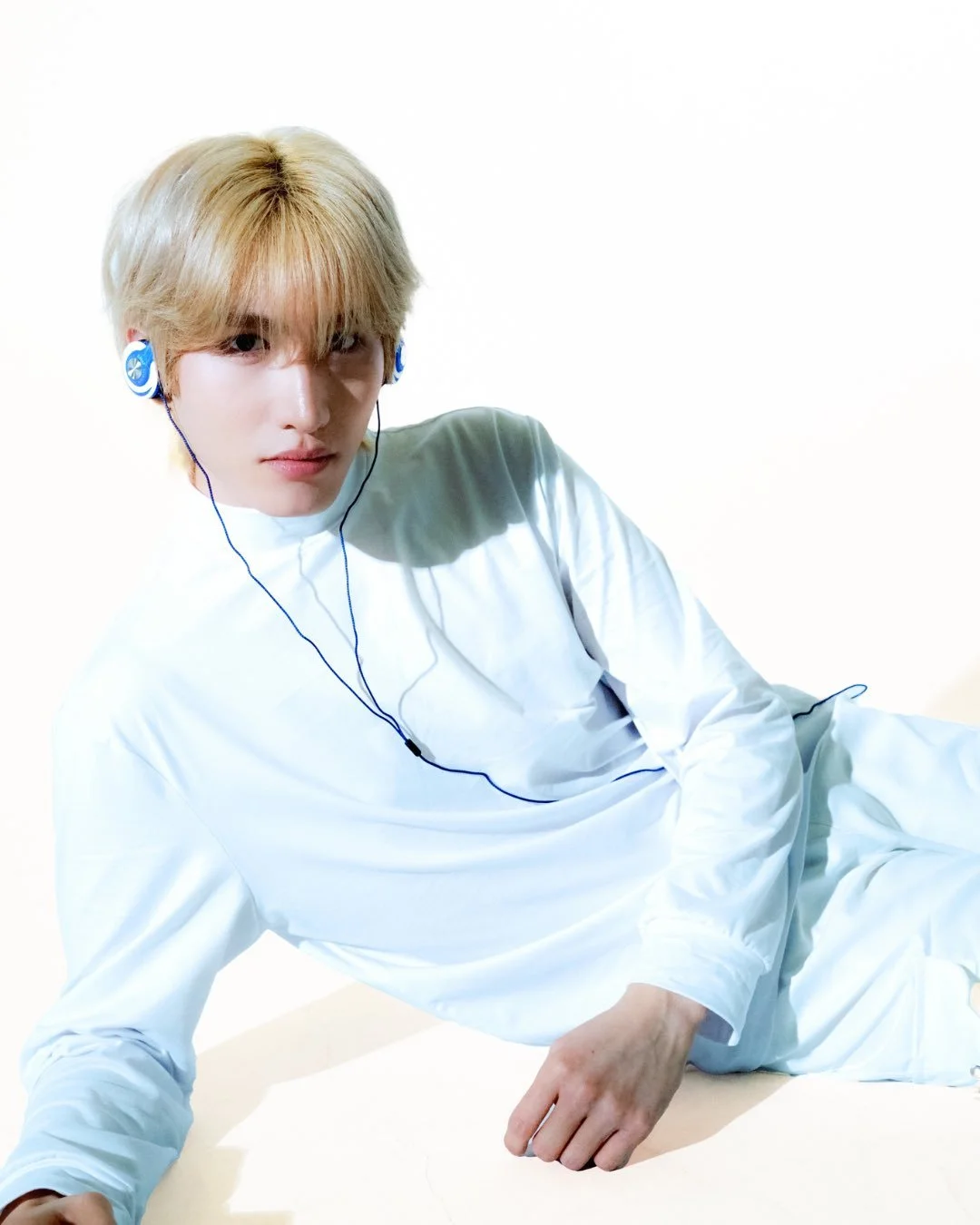
“I feel our journey right now is that the three of us are on a pirate ship, or on a big journey, an odyssey,” Elaya says.
Elaya, RE:WIND’s co-creator, was a K-pop trainee at two different points in his life: once as a teenager and again as an adult. The first time he left, as a teenager, was to finish high school. “It was a really big obsession for me,” he said about moving back to America. “Every waking hour, every dream I had, I thought about going back to Korea.”
But when he returned to Korea years later, Elaya found his perspective had shifted. First, he realized that he would likely not be able to express himself – or his ideas – in a way that felt authentic. “I had so many ideas,” he said, but no group to use them on. So he saved them with the intuition that one day he might put them to use.
Elaya hails from New York. His father is a painter and sculptor, while his mother is a stylist. Growing up in a city full of artists shaped Elaya's perspective on the kind of art he wanted to make. As a green teenager eager to debut, those artistic values were not as important. But upon returning to Korea as an adult, Elaya realized he needed artistic control to be happy.
The biggest reality check, Elaya found, was that the industry was not an environment he wanted to work in. “I finally had everything I wanted. I had a chance to debut if I stuck it out a little longer and worked hard, but I was not happy,” he said, adding, “It was not what I expected.”
Lei found a similar trajectory as a trainee. Born and raised in Boston, Lei considers himself a “huge a capella nerd.” His father is an elementary school teacher, while his mother works in an office. But Lei was placed into music programs early in life. That is where he found a love for a capella and eventually K-pop. “A cappella is an environment where people with different skills and different types of voices come together, and that is also what K-pop is, essentially,” he explained. “That is what really drew me to wanting to be in a boy group.”
Eddie, the youngest, grew up in Los Angeles, where his father introduced him to theatre. “Which also meant a lot of Disney soundtracks,” he said and laughed. “I tried so many after-school activities growing up - sports, cultural activities, arts, whatever you could think of - and theatre was what stuck for me. “
Eddie’s time in Korea was short but grueling. “When I first heard about RE:WIND, I thought, ‘I do not really want to go back to that at this point in my life,’” he said. “I had just started back in school and was more than halfway through. I was burned out from training.” Eddie had to audition to be considered for RE:WIND, but the thought made him incredibly anxious. “Setting up a ring light, putting up a camera, singing and messing up lyrics, or messing up a dance move, and filming until my voice went out and my muscles were sore,” he said as his voice trailed off. “It brought that memory back up.”
At the time, Eddie had been cast as an idol in Anderson Paak’s film K-Pops! and as filming went on, he regained some confidence and inspiration. Maybe, he thought, it would be worth it to try.
Lei was equally hesitant about auditioning for another K-pop group.
“There is a lot of uncertainty in the K-pop industry,” he admitted. “One thing we have all felt is that you get an opportunity and wonder, is this really meant for me?”
In Korea, he would often tour companies leased in nice buildings, but the open question was whether they had enough capital to fund a group beyond their debut. But the trickiest setback Lei had was that he wasn’t a teenager anymore. “When I was in Korea, because of my age, most of the auditions I passed or opportunities I was getting were at smaller companies,” he said.
The thought of doing this again, especially after settling back home in Boston, sounded miserable.
The Instagram post announcing the new group had no context, so at first Lei assumed the company was based in Korea. But he saw a cover Elaya had posted on social media of a Steven Sanchez song and thought it was really good. The concept, at the very least, seemed unique.
“When I sent in my video for RE:WIND, I was wondering if this was just another tiny company that would not really care about the trainees and would treat them like cogs in a machine to generate revenue,” he said. “But when I got on the call, and they explained what RE:WIND was and that it was based in the US, there was a lot of comfort and reassurance.”
Eddie felt a similar mix of emotions when he learned more about RE:WIND. “They let me know this group was not a normal group,” he remembered, feeling relieved that he would still be able to pursue his own side projects. “Elaya reassured me and said we are here to make our dreams come true and put our future in our own hands. All that apprehension melted away, and I thought, “Okay, this is where I am meant to be.”
Elaya saw that Eddie and Lei shared a similar background to his in K-pop, but they also had the same hunger to create something unique for Asian American audiences. “If I were a child and saw RE:WIND, I would feel inspired and happy to see someone who looks like me representing Asian American experiences,” he said. With Lei and Eddie, he saw the possibility of being that kind of inspiration for younger fans.
“The moment I saw these two in their videos, I thought, these are the guys I want to make music with,” he said. “Our shared experiences sealed the deal for me.”
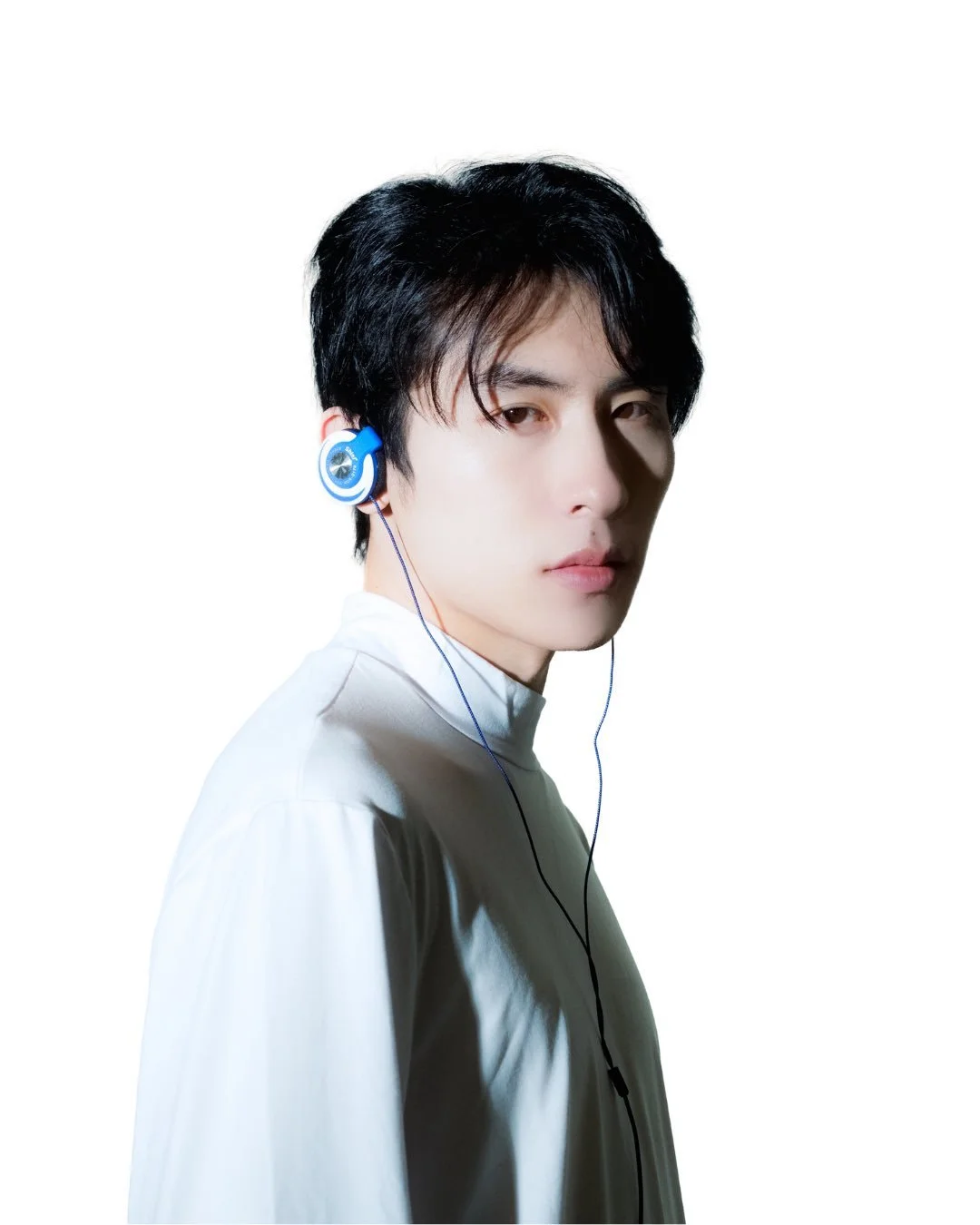
“There is a lot of uncertainty in the K-pop industry,” Lei admits. “One thing we have all felt is that you get an opportunity and wonder, is this really meant for me?”
The road to debut for RE:WIND was long and, at times, very challenging. The group had limited resources, and they felt pressure to deliver on the goals they set for themselves. Originally, the members decided to aim for a younger image, before they shifted to the sleeker, sophisticated concept they debuted with. They found themselves asking, as Eddie mused, “What statement can we make right now that will be iconic and speak to people going through the same thing as us?”
Elaya was determined to show that the group was autonomous in their music. “In the traditional K-pop system, there is not always a lot of creative expression, which is why I wanted to emphasize it more,” he told me. “I hoped it could reflect who we are as individuals, as a group, and through our experiences, and that people would appreciate the personal stories we tell.”
This was one of the reasons Lei was so happy to join RE:WIND. He wouldn’t be allowed to voice his opinion in K-pop, but in RE:WIND, his voice could shape their direction. “A lot of people pour their souls into K-pop songs. But a lot of the decisions are made based on marketing analytics and trends, and making sure you blow up on social media,” he said. “One of the best creative licenses we have as RE:WIND is that we make decisions based on what the three of us and our entire team want to do.”
The members point to a single like “Little Too Late”, which clocks in at four-and-a-half minutes, as a track that probably would have never been greenlit at a K-pop company. “We really liked the song. We liked its original duration,” Lei emphasized. “We were not going to shorten it just to fit current music production trends.”
For a while, the group considered going to Korea and promoting on traditional variety shows like Music Bank and Inkigayo. But eventually they decided against this. “We are a K-pop group, no denying that,” Eddie said. But there are key differences that set them apart from a group, even from a tiny company – namely, that they are entirely in control of their careers. “The sooner we realized that we had to show our rawest, most transparent selves, the better.”
RE:MINISCE did modestly on music services. Their most popular track, “FOREVER,” has nearly half a million streams, and the video looks like it was created by a major label, as the members intended. The sound is perfectly attuned to 2000s boy bands, but the twist is that Asian Americans were never part of this history. Artists like Elaya, Lei, and Eddie would never have been cast in a boy group two decades earlier. There was no space for boys like them in American pop culture. This, the members believe, is what makes RE:WIND profound.
“We honestly followed our hearts and what we were passionate about, but also what we were proud of,” Elaya said. “Despite our challenges and limitations, when I look back on RE:MINISCE, I am really proud of everything we have done and made.”
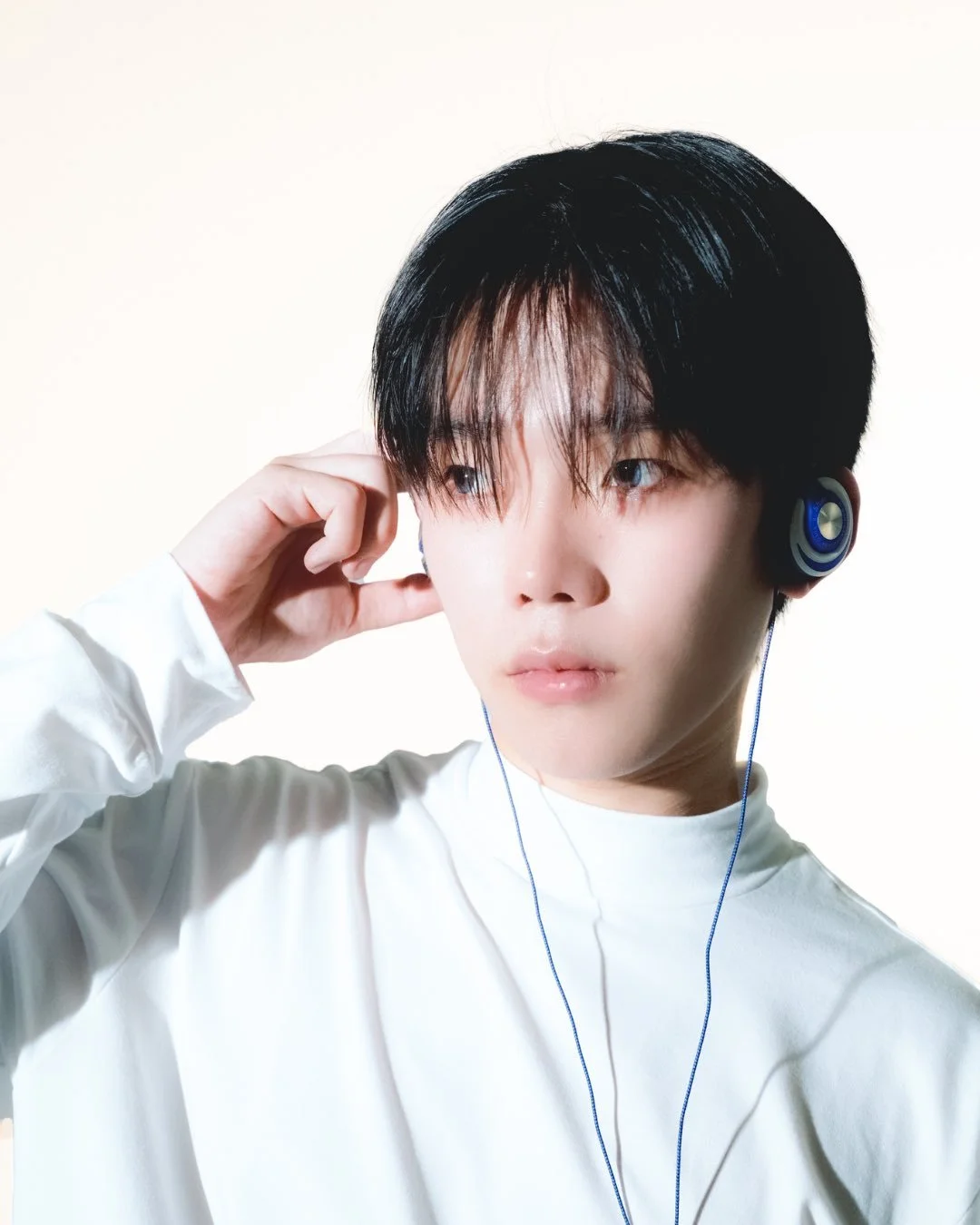
“No matter how much we have changed or where we want to take our careers,” Eddie says, “at least we have RE:WIND.”
Not long after their debut, though, the members began to second-guess what RE:WIND’s future could be. The work had been grueling, but it was devastating to possibly miss out on another dream.
Plus, they were running up against budget limitations, particularly with content. Originally, the members envisioned a visual album, with each track receiving a music video. “When things did not go our way, especially with our limited time and resources, we decided to put it all into one music video, ‘Little Too Late,’” Elaya said.
The group decided to film the video for “Little Too Late” in L.A. and quietly wondered if they might go their separate ways at the conclusion.
Time was limited; they only had one day to get the shots, and they had to sleep in their co-creator’s apartment on air mattresses. The evening was, ironically, a full circle moment: Elaya had conceived RE:WIND here. He and Eddie filmed their first piece of content together on this street. Now, as they filmed the video, they wondered if this would also be where the group ended.
When the group wrapped filming at 2 a.m., they looked at each other and started to cry. “We were not sure what would happen next or if we would see each other ever again,” Elaya said.
And for a few months, the members didn’t see each other again as the group mulled over how to restructure moving forward. They had no team and no support beyond each other. But eventually, the group picked itself back up to push forward.
In retrospect, Eddie said that time made them reconsider how important RE:WIND is to them. “I think we realized we do not need a whole lot to keep doing what we have,” he said. “I want to say thank you to Elayah for holding on to this for us. I think we need this project a lot more than we are willing to accept.”
Lei wasn’t worried about what would happen next. “I do not think there was ever a moment where we thought it was going to stop,” he said.
Ironically, “Little Too Late” proved to be the best video RE:WIND has filmed: It captures the grittiness, the sadness, and the bittersweet emotions that the members had felt for months. In this video, they’re not playing idols or boy band members. They just seem refreshingly human.
This summer, they will headline K-Play Fest in California, and in October, they will co-headline Houston’s Korean Festival alongside Big Ocean. As they thought about how far away those opportunities felt that night in L.A., Eddie remembered a mantra he had begun telling himself: “Be graceful to yourself. Live gracefully. Be graceful to others.”
The boys know that there are still risks. Success isn’t guaranteed, especially for a group like this trying to break barriers in both pop music and K-pop. “I feel our journey right now is that the three of us are on a pirate ship, or on a big journey, an odyssey,” Elaya said. “We have this destination we want to go to, but we do not know if we are ever going to find it.”
But what has remained constant is that they have each other. “RE:WIND has always been a stable thing for us,” Eddie said. “No matter how much we have changed or where we want to take our careers, at least we have RE:WIND.”
