

Soren Go’s Refusal to Limit His Music — Or Himself
Soren Go could have been a child prodigy: a self-taught musician who began releasing when he was just ten, he has spent a decade producing music that defies categorization. So why is it so hard for him to not feel imposter syndrome?
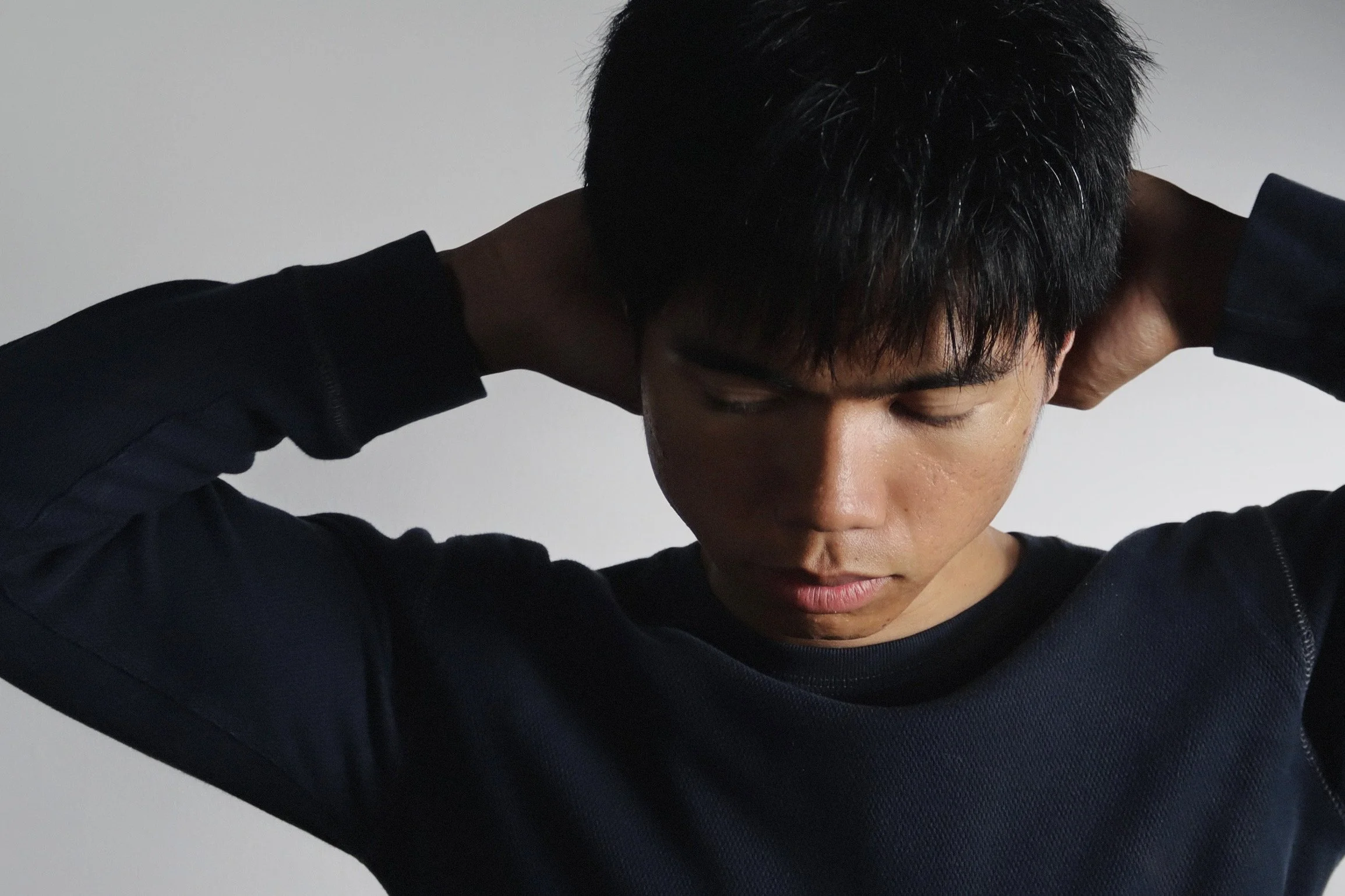
“Babystay”, the new single from Soren Go, comes from a familiar feeling: misery.
Last December as Kiean, who uses Soren Go as his stage name, wrote the song, he admitted, “I wasn’t feeling like myself. I think it was winter gloom, and I felt genuinely insecure.”
The song is ambitious with three tempo changes and no real melody or chorus. “I played around with a lot of synths and distortion on the guitars. I wanted something grand,” he explained. “I love walls of sound and songs built around repetitive loops with constant sound.”
But a month after he began work on the song, Kiean felt like perhaps he had gone too far with the production. “It has become too crazy for my own good,” he said with a laugh. “I didn’t know how to mix it.” He gave it to his friend Kole, who is also a producer, but Kole wouldn’t touch it, telling Kiean, “This is your song. It won’t be the same if I add my own twist.”
The song was troubling for Kiean because of just how much tweaking he could do to it. The tempo changes swerve quickly and take listeners into different genres from lo-fi to punk to alt-pop. Plus, Kiean admitted, there was no one looking over his shoulder, holding his feet to the fire to turn in a record. “Being an independent artist with no deadline makes it hard to finish something,” he said sheepishly. “You don’t really owe anyone anything except the people who are still listening.”
Kiean continued to work on it though. He loved the grand opening that led to a crazy drop halfway through. He added more distortion to the guitars and worked to create several explosive moments in the production.
But eventually, Kiean realized there was nothing left to do. “I thought, ‘This is as good as it gets. I’m going to stop here.”
“Babystay” was released in July, and stands as one of my favorite releases from this summer. It’s explosive, like Kiean described, and hard to categorize. Listening to it often mirrors talking to Kiean: chaotic but intelligent, hard to pin down and highly ambitious. The description fits its maker: Kiean is only twenty-one, but he’s been making music for ten years. He was uploading videos on YouTube and creating EDM before he was even a teenager. By the age of ten, he had released his first album. (You will never find it on the internet.)
When I pointed out that his music is like throwing everything but the kitchen sink at the listener, he agreed. “I think it’s a double-edged sword. It’s genuinely hard to describe my music to people.” He paused to consider if he could even describe it. “I still want to maintain some kind of central sound, but I don’t know what it is yet.”
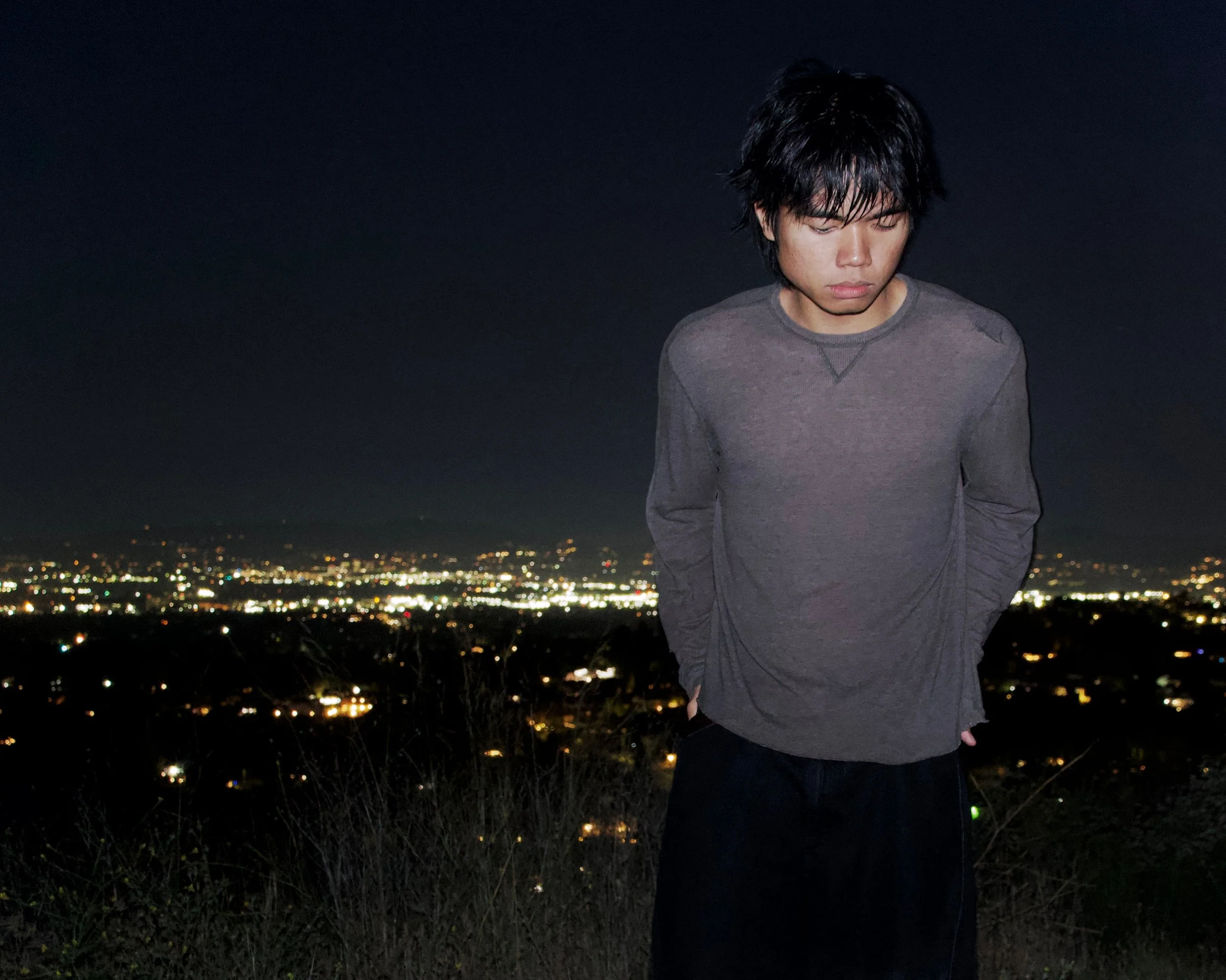
Kiean grew up in Dumaguete, a city on Negros Island in the Philippines.
He comes from a creative family. His father is an artist who creates Pop Art paintings. When Kiean was a child, his dad was in a band and played in shows around town. “I feel like I got my open-mindedness from him because he was one of those hip dudes,” Kiean said. “Ever since I started making music, he has always been supportive. Even when I was 10, and my music sounded so bad in retrospect, he told me to keep going.”
Kiean describes himself as a kid who was “chronically online”. He loved watching YouTube creators like Filthy Frank and 6-second clips on Vine. He participated in choir and attended a Christian school, which in hindsight, probably affected him more than he realized. “I genuinely think I’m weird because of how I grew up,” he said. “I was secluded from the outside world in this contained Christian private school.”
Perhaps because he spent so much time online absorbing Western culture, Kiean never felt like he “belonged” in the Philippines. “I mostly spoke English, and although people there speak a lot of English,” he observed, “the humor and culture I learned through YouTube weren’t there.”
Being active in online communities also exposed Kiean to music that wasn’t trending or popular in the Philippines. “It made me explore more,” he told me. “That’s probably why I gravitate toward music that isn’t usually on the radio.”
Eventually, and at a very young age, Kiean wanted to make music himself. In 2015, he began using FL Studio and playing Geometry Dash, a side-scrolling rhythm platform video game. Kiean loved the electronic music he found in Geometry Dash and realized that if he uploaded his own music to Newgrounds, a company that sources music for Geometry Dash, he could use it on different levels of the game.
He never wound up uploading the music he made to Newgrounds, but it didn’t matter. “I picked up FL Studio and kept going. Then the YouTube tutorials came in.”
At this point, Kiean was only ten years old. Over the next few years, Kiean began uploading music on YouTube (all unlisted now) and made an album. He still was not even a teenager. “I kept switching styles. I wanted to make EDM, progressive house, tropical house, house, and lo-fi.” Around 2019, when he was fourteen, Kiean began to use his own voice.
Then another major life change occurred: Kiean’s family moved to America.
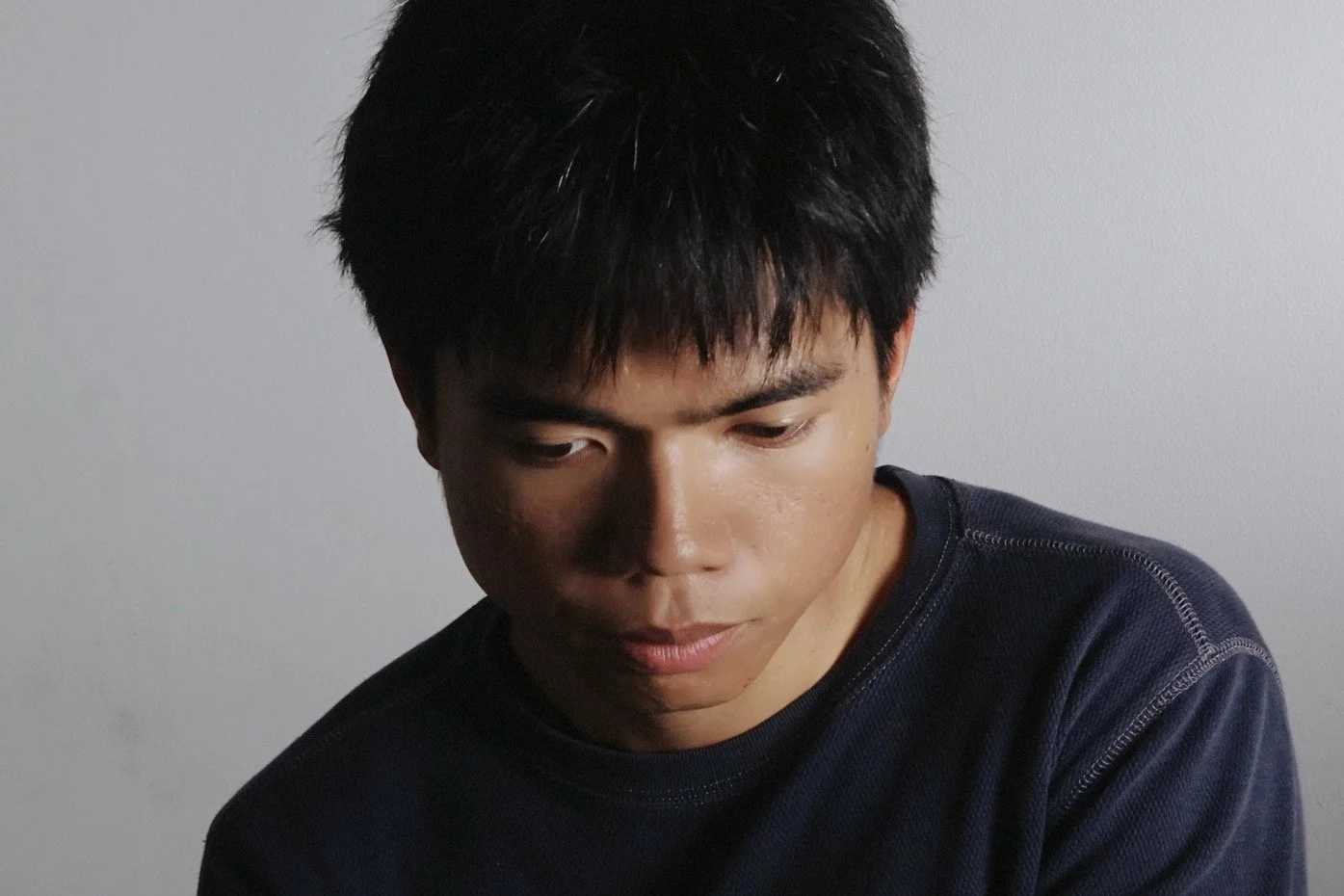
In America, Kiean felt his first real bouts of depression. He had left behind a crush, and the only way he knew how to express himself was through music. The songs he was making weren’t good quality (Kiean wouldn’t buy a nice microphone for another two years), but he liked the results.
In late 2021, during his sophomore year of high school, Kiean bought an Audio-Technica microphone and recorded his first song, “Till I Get Over”. His crush had changed because, by that point, he had moved to a new high school, and his life in the Philippines felt alien to him.
“It sounded bad, but I still released it, and people at my school really loved it,” he said. His classmates loved it so much that someone even submitted it to play over the announcements each morning. “I literally peaked in high school because of that. It was surreal.”
But what Kiean found most useful about recording “Till I Get Over” is that it helped him process his feelings. Understanding his emotions is what still drives Kiean to create today. “I feel like I only make music when I’m super miserable, and back then I was very miserable,” he told me. “I was 16 or 17, thinking, ‘Why can’t I get a girlfriend? I’m just going to write music.’”
He continued, “Even now, I find it hard to write about good things. I have a really loving girlfriend, and everything is smooth sailing.” But the doubts still creep in. Kiean points to a song like "Pedestal" as an example of how hard it is to write love songs. “You might expect it to become this happy, lovey song. Then the chorus hits, and it’s me doubting myself: ‘“Don’t wanna put you on a pedestal, I gotta break out of my typical [habits]”
Putting a name to the feelings, being able to express himself even if it was dramatic, felt freeing to Kiean. Releasing a song like ‘Till I Get Over’ felt cathartic. I thought, “Wow, it’s finally out. I feel much better. On to the next song,” he explained. Eventually his YouTube account became a space for Kiean to put out everything he couldn’t say in person. “My Kiean account was basically me being miserable and needing to release those feelings,” he paused. “I also wanted to get things moving because making music had been my dream since I was young.”
It’s hard for Kiean to pin down exactly why he feels so insecure sometimes. When I asked him if he could name a reason, though, he pointed towards the conflicting life views he was given in adolescence. “My Christian private school taught creationism—God created the heavens and the Earth—and then I moved here, and suddenly it was Darwinism and evolution.” He laughed self-consciously. “I didn’t really feel intelligent or like I had caught up with everyone. I was thinking, ‘I don’t even know algebra. This sucks.’”
In 2024, Kiean rebranded artistically as Soren Go. Part of the rebrand was strategic: The music he made under his own name didn’t sound clean or well-crafted. He also wanted a stage name because seeing Kiean next to his music felt “too personal. Seeing my real name attached to music on Instagram made me feel vulnerable,” he explained. “That might sound contradictory because my music is vulnerable, but I didn’t want my name on it. I wanted a new name.”
Soren Go comes from two different sources of inspiration: First was tsubi club. “His name is Soren, and I loved it. I thought, ‘Fuck it, I’m going to use Soren.’ Then I needed to figure out the rest. I was inspired by gabby start, so: Start, Go.”
Kiean admits that he still has no idea if he wants a music career. Maybe, he theorizes, that’s simply imposter syndrome. “I can never completely immerse myself in that musical identity, but I’m getting there,” he said.
He still battles insecurities too, which you can hear in the lyrics of “Babystay”: “She’s out of my league? Am I wasting time?” Kiean explained, "It's about a girl I have a really good relationship with, but I’m still writing from that insecurity. It’s hard to transition out of it.”
Writing “Babystay” helped him understand why he still felt undeserving of the relationship he’s in. “People say music is therapy, and it really is,” he told me. “It’s also my indirect way of telling someone how I feel without actually saying it to them.”
If life mirrors art, then Kiean’s reluctance to finish “Babystay” or to even pick a lane in music could be tied to this feeling of insecurity. Are we ever really sure if we’re ready to share our art, or worse, our feelings with the world? Sometimes the hardest part is pressing start.
While talking about “Babystay”, I couldn’t help but think that Kiean’s reluctance to label the song as complete felt like his own fear of defining himself. Eventually, he had nowhere to go but forward.” I could have given it another month or another year,” he told me before catching himself. “Thank God I didn’t give it another year.”
